
Secrets in the sediment: What foraminifera reveal about the deep-sea
Published: 13.05.2026 Updated: 01.06.2026
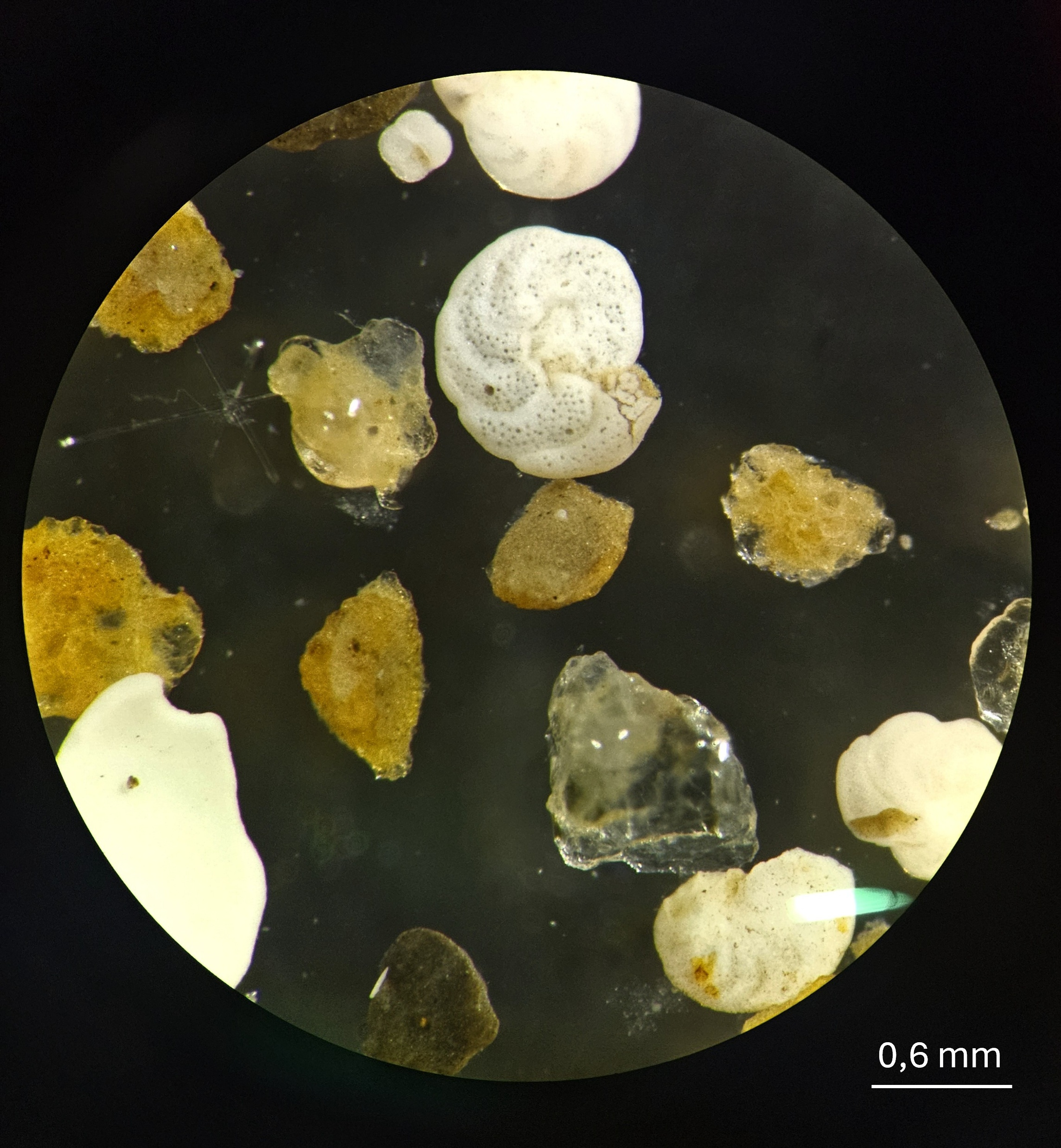
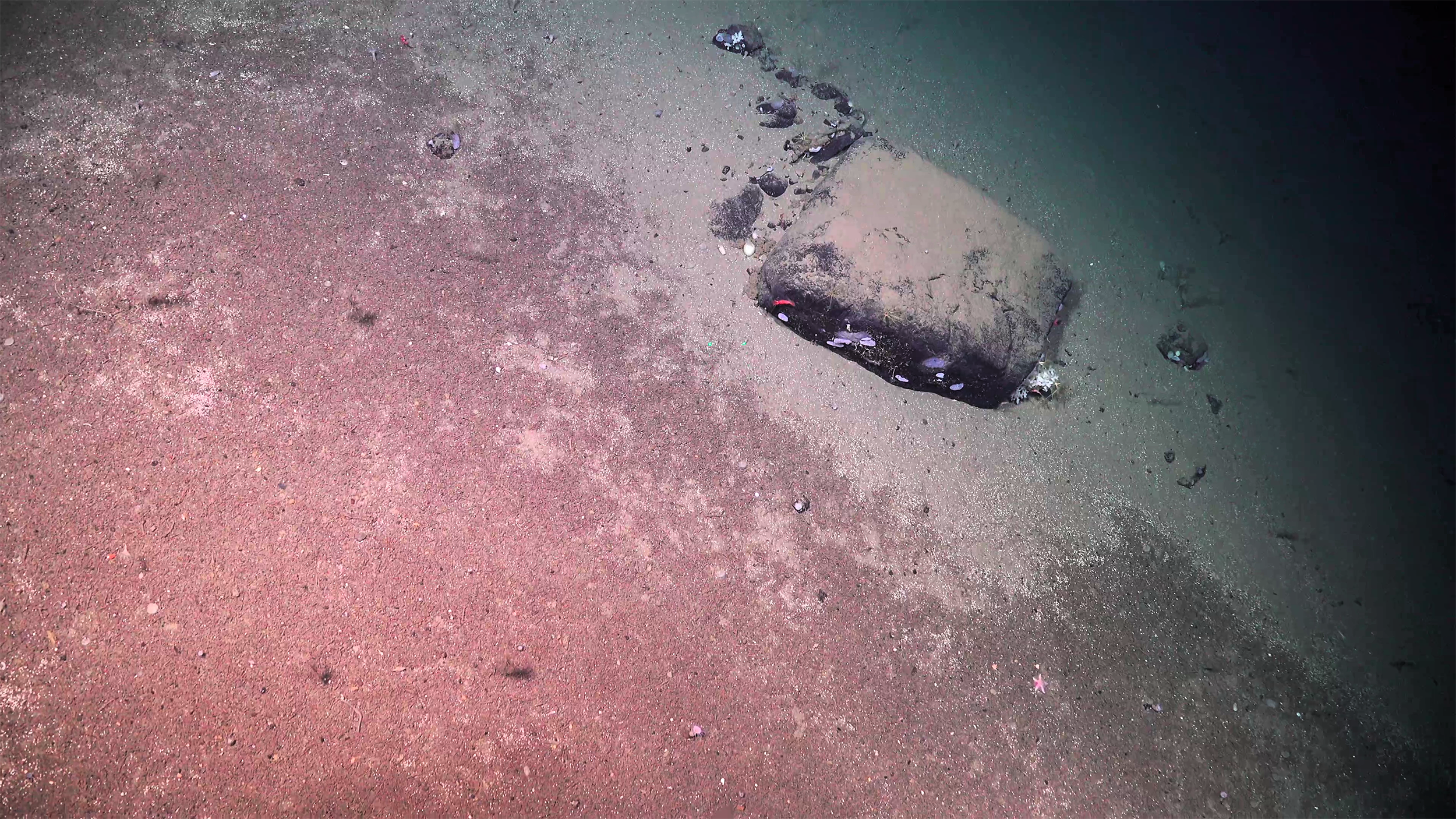
On the first cruise of the year, while slowly moving away from the central axis of the Mohns ridge toward the western flank, we observe progressively thicker sediment cover blanketing the underlying bedrock.
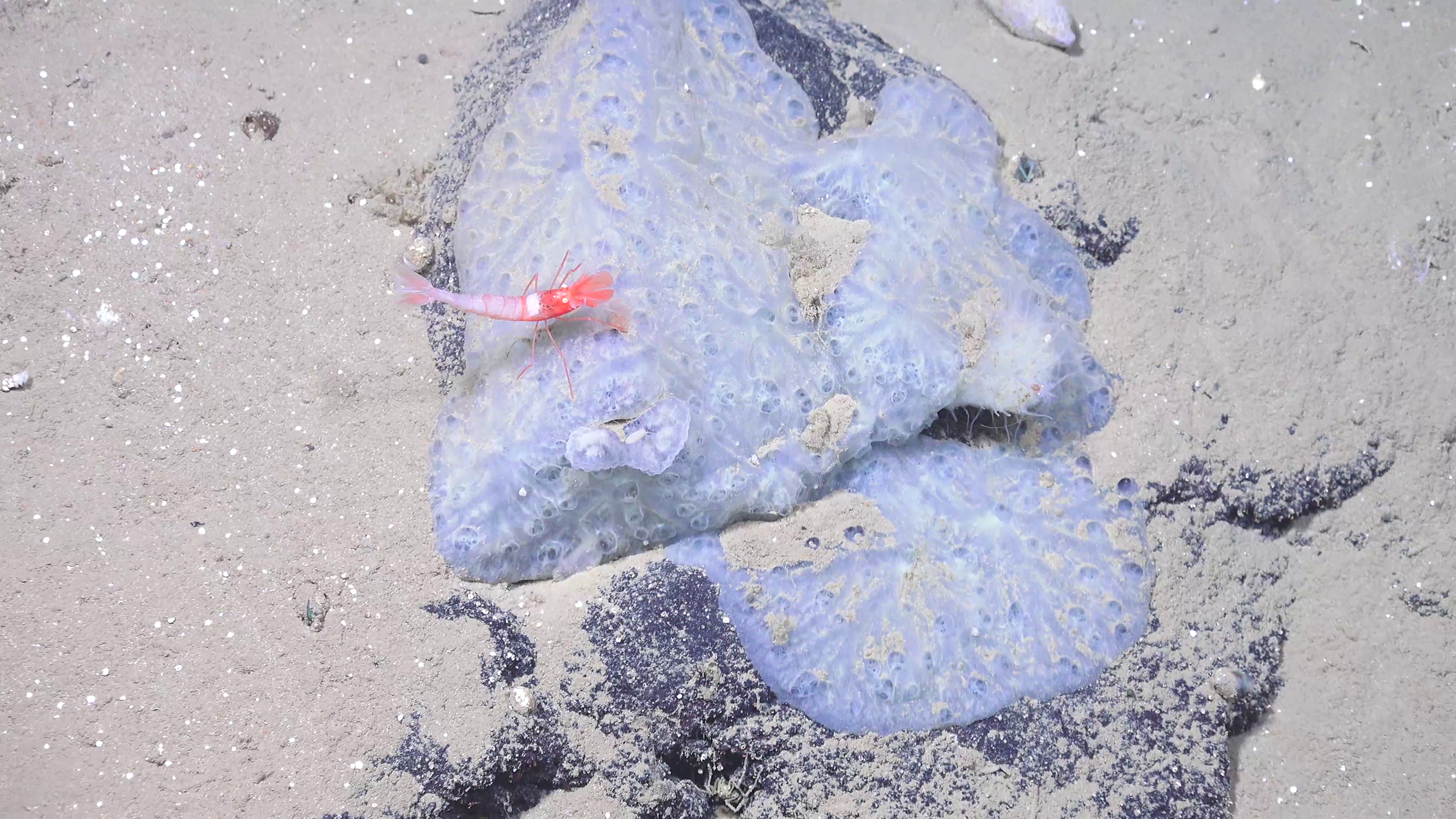
These sediment blankets are often covered by both agglutinated and calcareous foraminifera (“forams”) which provide valuable insights into the sedimentary history and paleoclimate of deep-sea environments.
Foraminifera are single celled eukaryotes that possess shells composed of organic, agglutinated, or calcareous materials which may consist of one or more chambers and are abundant in both modern and ancient marine environments. They have been estimated to include a minimum of 38 000 living and fossil species (Jones, 2013; Pawlowski, 2009) and are classified into two groups: benthic (sediment dwelling) and planktonic (water column dwelling).
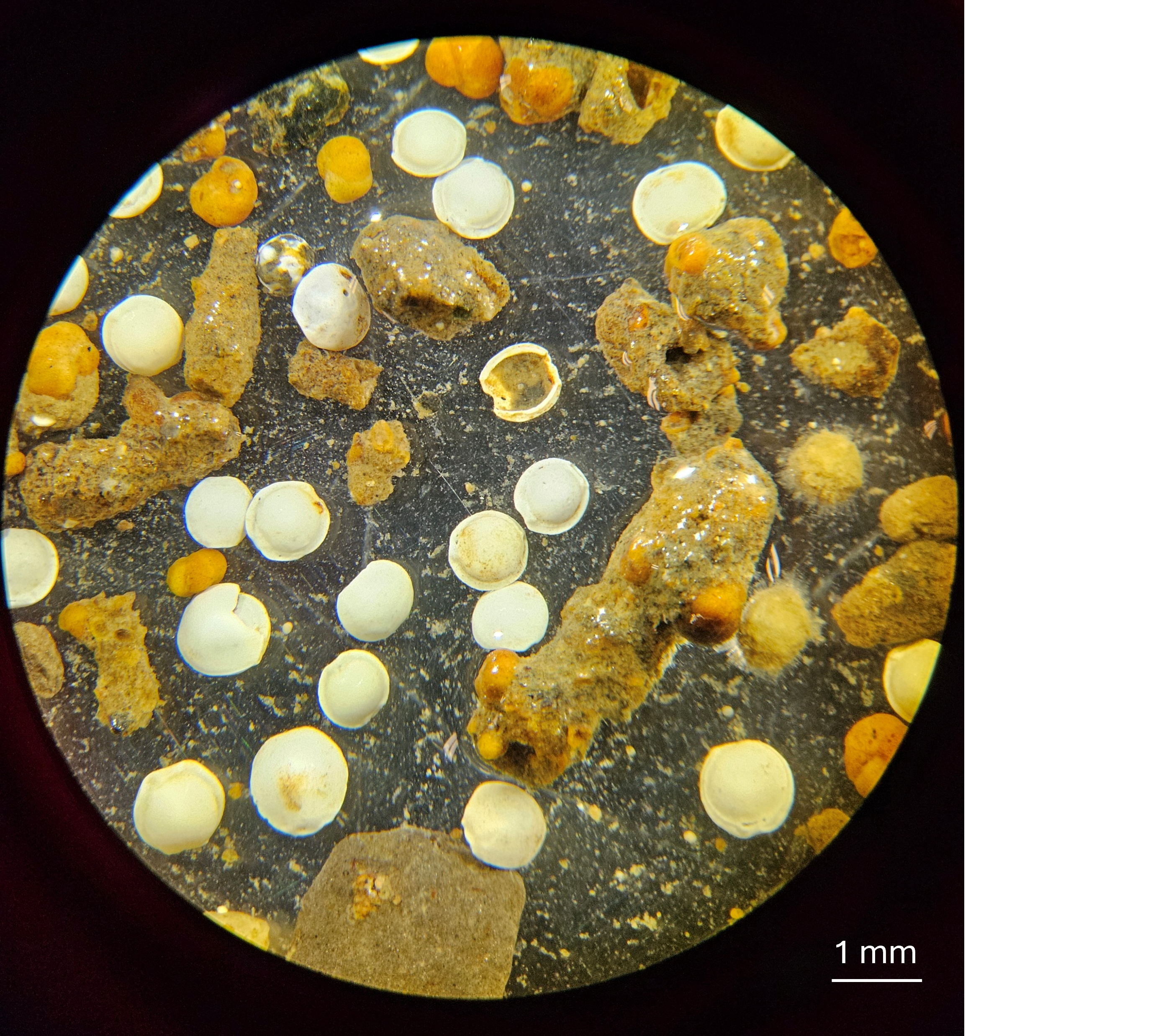
For a better understanding of the sedimentation rate and the sedimentary history, MAREANO uses Pb-210 dating to obtain a chronological profile of the uppermost sediment. In deep-sea sediment, where sedimentation rates are typically low; Pb-210 dating alone may limit the temporal resolution of the sediment age profiles as it is widely used to determine ages in the past 100-150 years. Radiocarbon (14C) dating may bridge the chronological gap in deeper, older sediment where Pb-210 has decayed providing a longer and more continuous chronological profile. Upon arrival back at NGU, the sediment samples are freeze-dried, sieved and individual foram species are handpicked for radiocarbon dating. Suitable species, among others include the planktonic foraminifera Neogloboquadrina pachyderma.
We look forward to uncovering the paleoclimatic secrets preserved in the forams and in unlocking a long-term timeline of deep-sea sedimentation, allowing us to piece together past ocean conditions along the Mohns Ridge.
References:
Jones, R.W. (2013) Foraminifera and their Applications. Cambridge: Cambridge University Press.
Contact