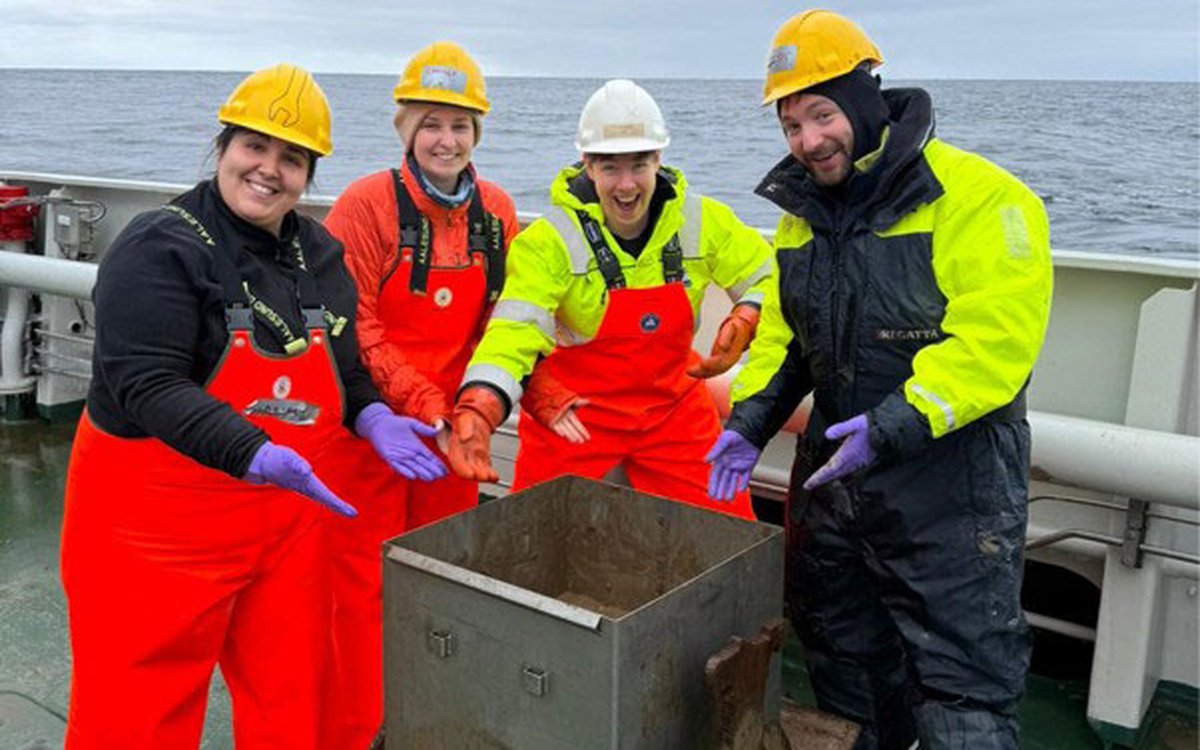
Marlene Pinheiro, Camille Saint-André, Èric Jorda Molina and cruise leader Riley Meyer are glad to be done with one boxcorer. Onto the next!
Photo: Solveig Osjord
Marlene Pinheiro, Camille Saint-André, Èric Jorda Molina and cruise leader Riley Meyer are glad to be done with one boxcorer. Onto the next!
Photo: Solveig Osjord
Published: 22.10.2026 Updated: 23.10.2026
The deep sea remains one of the least explored frontiers on our planet. Although scientists define the “deep sea” as any ocean depth below 200 meters, nearly half of the ocean floor lies deeper than 3,000 meters, with an average depth of 3682 meters. Life at these immense depths is anything but easy - pressures are so extreme they could crush a human in an instant. On top of that, food is incredibly scarce: only about 1% of the organic material produced in sunlit surface waters makes it to the seafloor. It’s a bit like sitting under a massive banquet table, hoping to catch the odd noodle or crumb that drops from above. Yet, despite these seemingly unliveable conditions, deep-sea creatures have evolved extraordinary adaptations that allow them not just to survive, but to thrive in this mysterious and challenging environment.
Life on the deep seafloor faces extreme challenges: darkness, cold temperatures, and very little food. To survive, many animals adopt a simple strategy: they stay small. Smaller bodies need less energy, which is a major advantage in such a resource‑poor environment. There are intriguing exceptions, though. Some deep‑sea species, like certain isopods and sea spiders, grow larger than their shallow‑water relatives, a puzzling pattern known as deep‑sea gigantism.
Overall, however, the trend is clear. As depth increases, most seafloor animals become smaller, and the total biomass of large and medium‑sized organisms declines. But this doesn’t mean the deep sea is empty or unimportant. In fact, depths below 3,000 meters hold about half of the world’s total seafloor biomass.
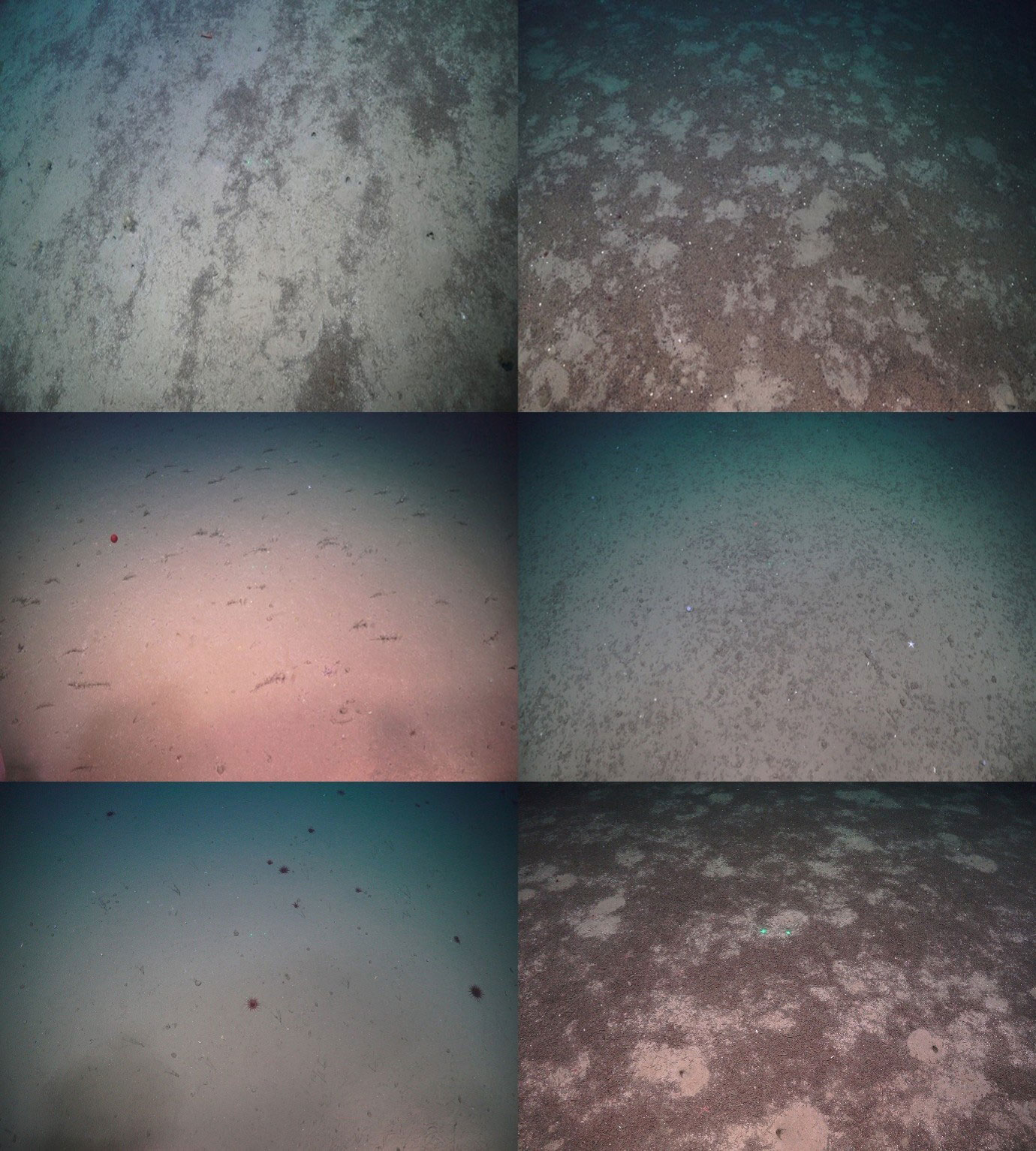
How is that possible? The answer lies in scale. Abyssal plains—vast, muddy expanses covering about 75% of the ocean floor—are dominated not by large animals, but by tiny creatures: invertebrates ranging from 5 mm to 300 µm called macrofauna (consisting on worms, small crustaceans, shells), even smaller animals down to 32 µm of size called meiofauna, and enormous numbers of bacteria. Although nearly invisible on camera, this “miniature world” is incredibly active.
Hidden beneath the sediment surface, these organisms recycle the small amounts of organic material that sink from above, excreting inorganic nutrients that accumulate in deep waters which are eventually returned to surface waters through ocean circulation, fuelling primary production and sustaining life in the oceans. From an ecological point of view, bacteria form the base of the food web, feeding tiny organisms (like macrofauna) that, step by step, support the larger and more charismatic deep‑sea fauna we do see in our video transects—like strange fishes and the ever‑charming dumbo octopus. Far from barren, the deep seafloor is one of the largest and most important ecosystems on Earth.
So far, MAREANO has been studying the macrofaunal communities living on the Norwegian continental shelf. Most of the sites sampled were located at depths between 50 and 800 meters, with a few exceptional deeper locations. To collect seafloor samples, we have historically used a Van Veen grab—a metal, clamshell-shaped sampling device lowered from the ship on a cable. When it reaches the seabed, its jaws close, scooping up a chunk of sediment and the small animals living in it. This method works very well in shallow and coastal waters, but at greater depths, the grab’s light weight makes it less effective and unreliable. This is why, for deep-sea sampling, we have switched to a boxcorer, which is heavier, sturdier, and provides more undisturbed samples. Specifically, we are employing a USNEL boxcorer with a sampling area of 0.25 m². As its name suggests, the box corer is a metal box that sinks gently into the seafloor. When pulled back up, a spade seals the bottom, bringing to the surface an undisturbed block of sediment along with a layer of bottom water. Think about bringing up a mini aquarium of the deep seafloor up on deck—how cool is that?
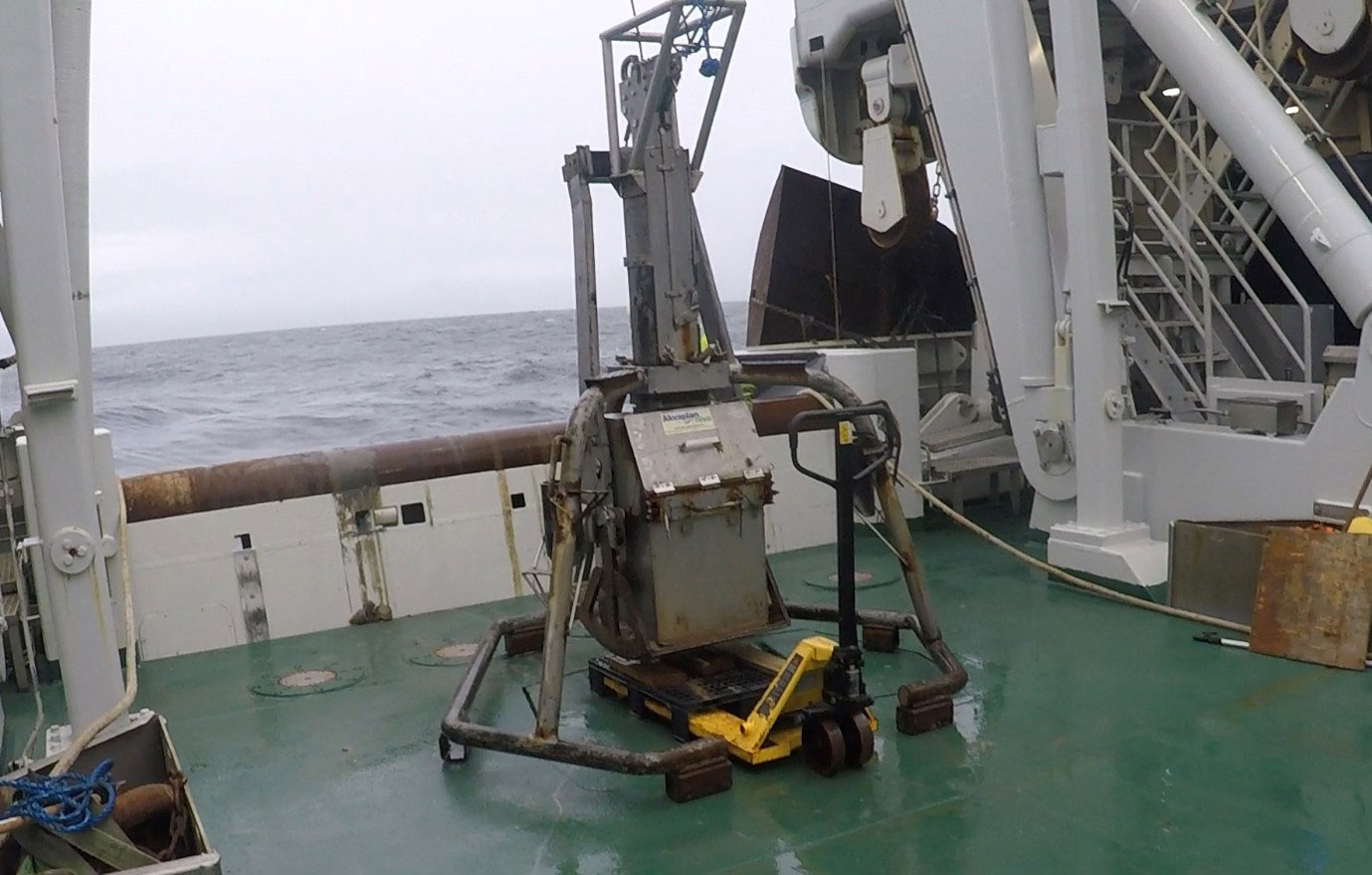
Compared to the Van Veen grab, the box corer has several advantages. It usually captures a more undisturbed surface layer, especially if it lands smoothly on the bottom, minimizing any disturbance caused by the instrument’s impact (what we call vow wave effect). In fact, we have a pair of eyes down there during our deployments, as NORMAR’s remotely operated vehicle (ROV) Ægir6000, is monitoring the landing of the boxcorer by sending live video onboard, which allows us to assess the level of disturbance we have caused when sampling - something extremely relevant when interpreting the results afterwards. Because the boxcorer preserves the bottom-water layer, the sediment inside remains less mixed and truer to its natural condition. Another plus is that, once the sample is brought up on deck, the sediment inside the box can be subdivided easily and carefully, allowing to take different subsamples for various analyses.
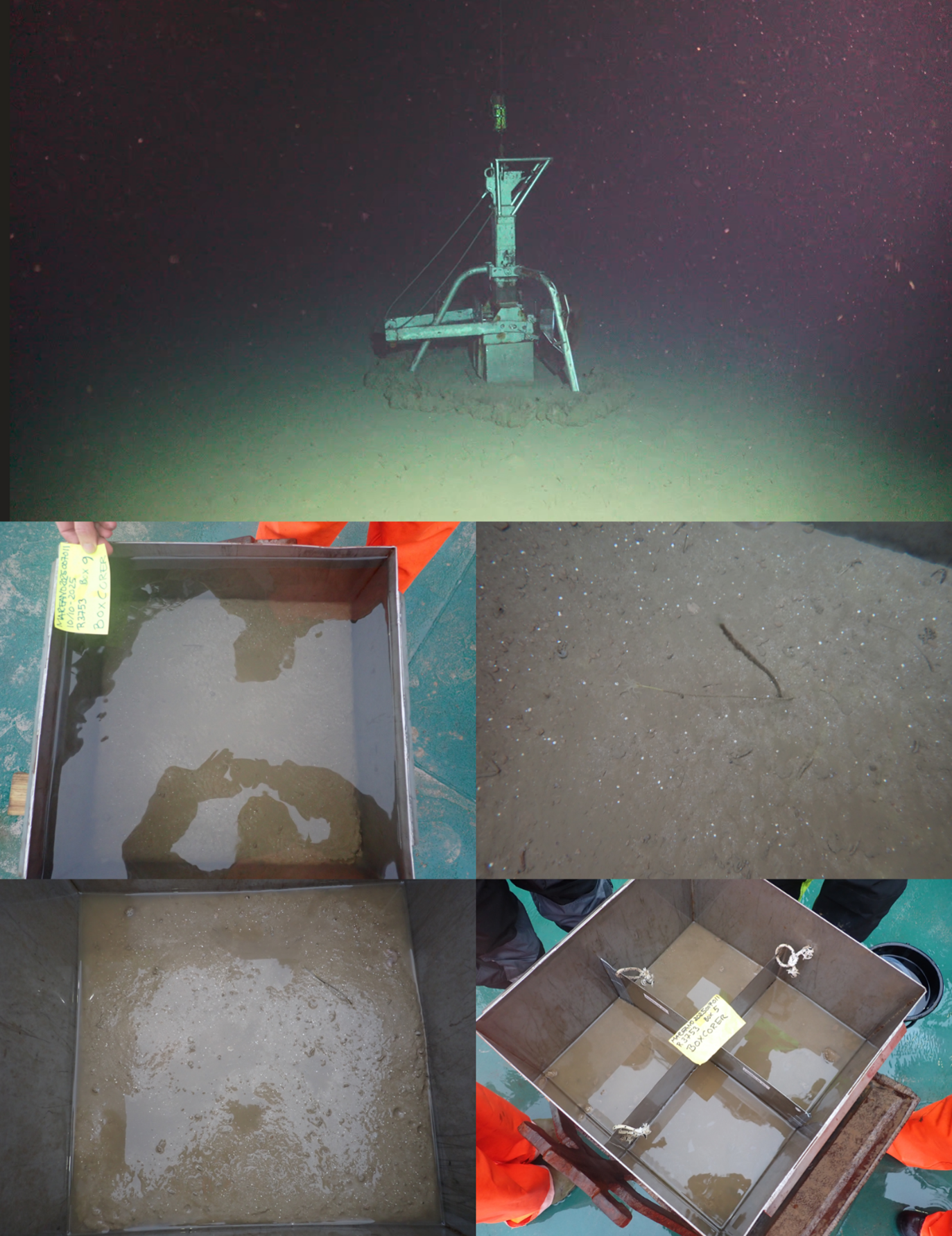
One of the greatest challenges in deep-sea research is that most organisms living there remain poorly known—or have not yet been described at all. A striking example is the Clarion–Clipperton Zone (CCZ) in the Pacific Ocean. Despite being studied since the 1960s, an estimated 88–92% of the species recorded in this region are still new to science and lack formal descriptions. To keep track of this largely unknown diversity, researchers often assign provisional labels using a system known as open nomenclature. Importantly, this process increasingly relies on combining traditional morphological observations with molecular data. Because many deep-sea organisms are small, fragile, or morphologically similar, integrating DNA information is essential to ensure that provisional names correspond to biologically meaningful units.
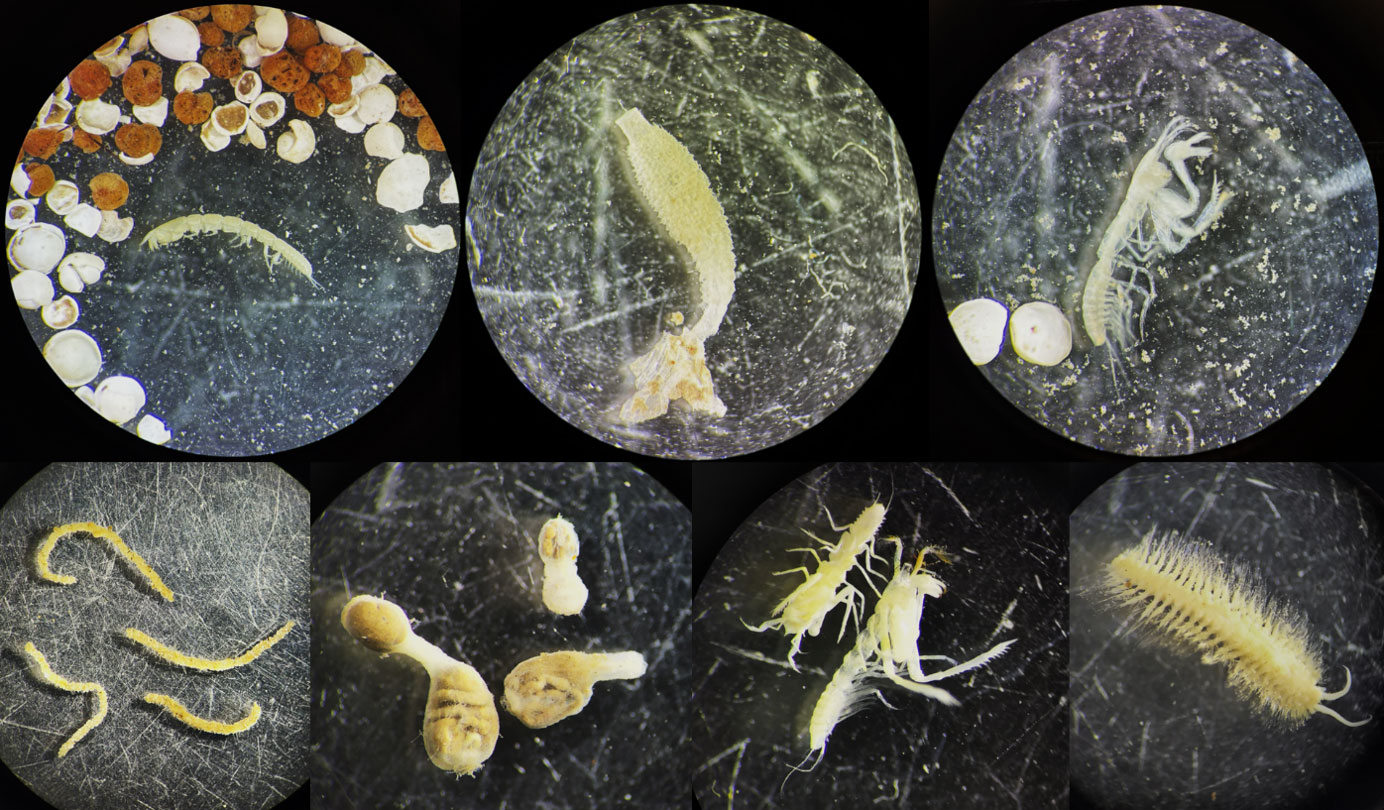
The situation is further complicated by the presence of species complexes: groups of organisms that are nearly indistinguishable morphologically but are genetically distinct. In such cases, visual identification alone is insufficient. DNA sequencing provides a powerful complementary tool, allowing scientists to delimit species more accurately, assign genetic sequences to these provisional taxa, and create a stable reference framework. This combined approach—linking morphology with molecular signatures—is critical not only for resolving species boundaries but also for ensuring that open-nomenclature units can later be formally described and integrated into taxonomic systems.
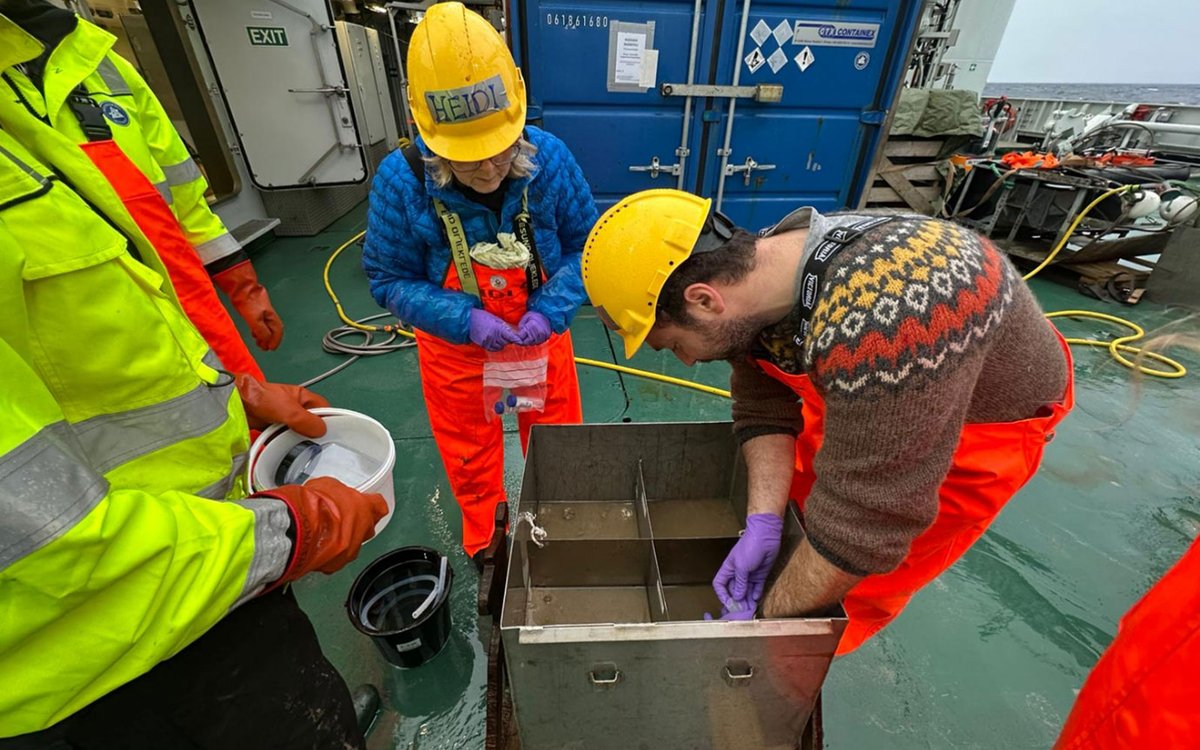
Scientists taking subsamples from the sediment surface for eDNA and sediment pigments before processing the sediments from the boxcorer sample.
Photo: Rosalyn Fredicksen and Camille Saint-André, IMR
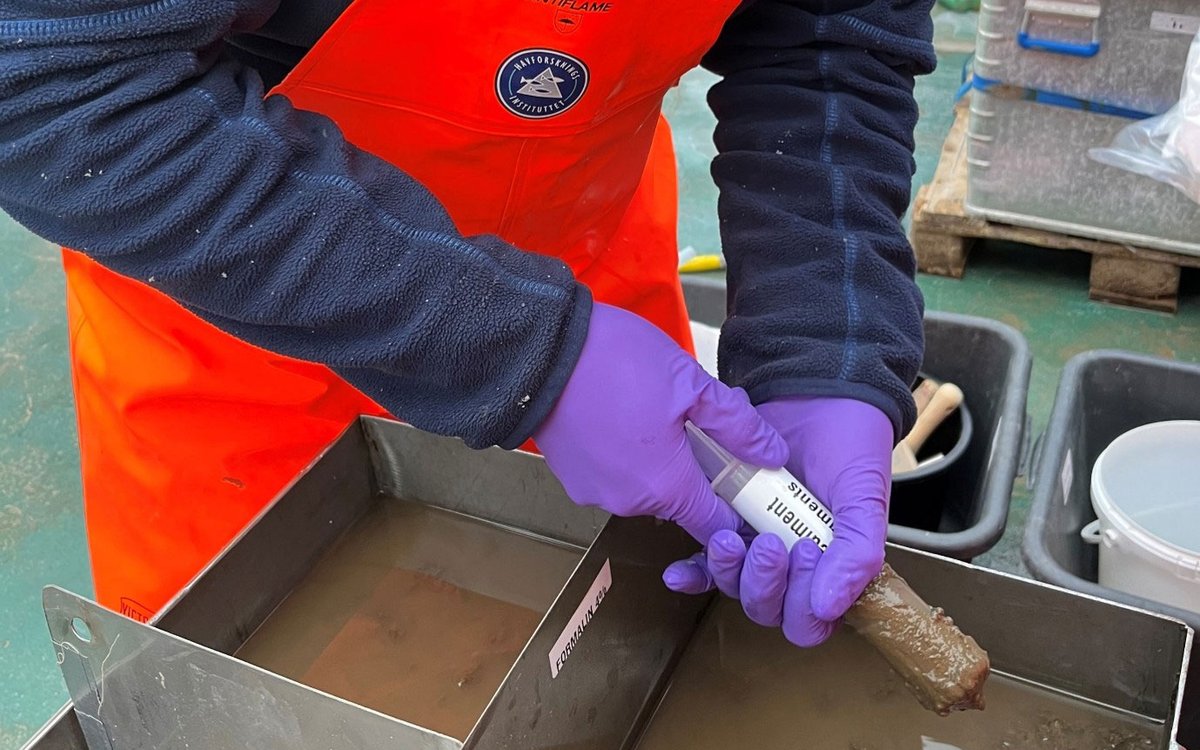
Scientists taking subsamples from the sediment surface for eDNA and sediment pigments before processing the sediments from the boxcorer sample.
Photo: Rosalyn Fredicksen and Camille Saint-André, IMR
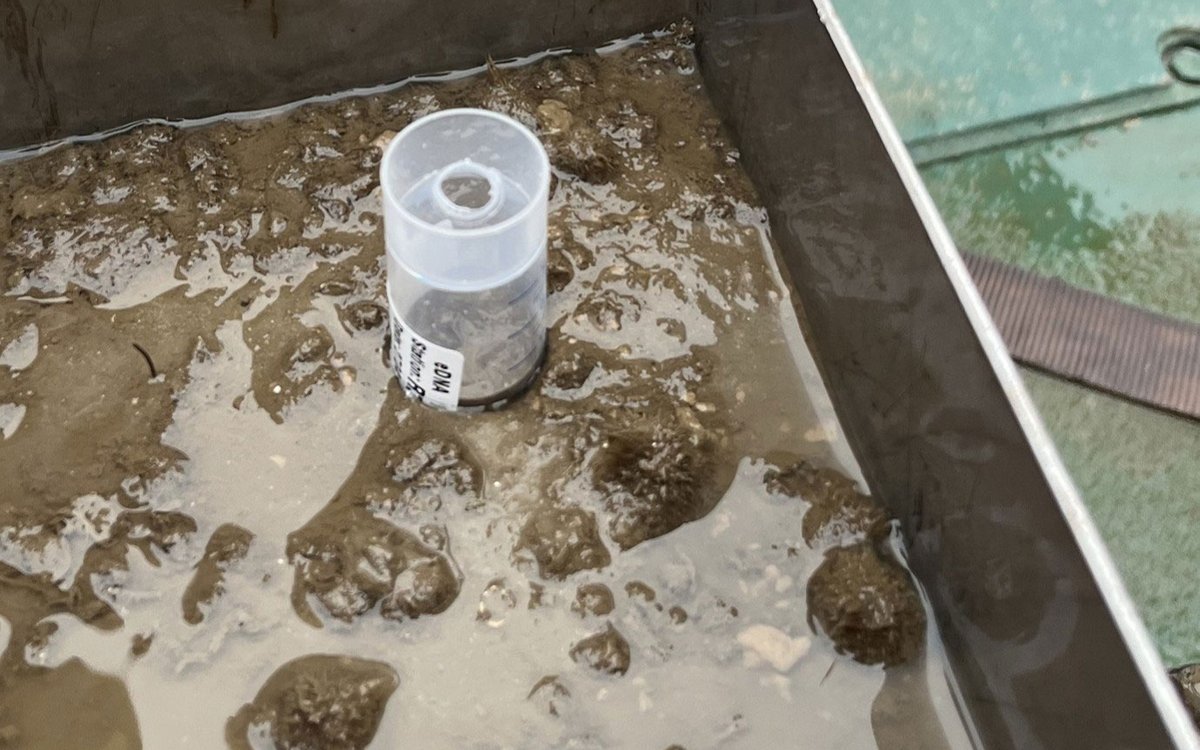
Scientists taking subsamples from the sediment surface for eDNA and sediment pigments before processing the sediments from the boxcorer sample.
Photo: Rosalyn Fredicksen and Camille Saint-André, IMR
To carry out these genetic analyses, it is crucial to preserve collected specimens in a way that maintains DNA integrity. Traditionally, samples have been fixed in formalin, which effectively prevents decomposition and preserves morphological features, particularly in soft-bodied organisms. However, formalin degrades DNA, making it unsuitable for molecular analyses. To address this, we divide each box corer sample into two subsamples: one is preserved in formalin for morphological and taxonomic study, while the other is stored in 96% ethanol, which preserves DNA for molecular work such as DNA barcoding.
This dual-preservation strategy allows us to integrate classical taxonomy with modern molecular approaches. It enables the construction of DNA barcode reference libraries, which are essential for linking open-nomenclature units to genetic data and, ultimately, for formally describing species. These libraries are also critical for emerging techniques such as environmental DNA (eDNA) analyses, which rely on matching DNA sequences recovered from environmental samples to reference databases. In this context, the box corer is particularly valuable, as it allows us to recover relatively undisturbed sediment blocks that can be carefully split into parallel samples—much like slicing a piece of cake… a very muddy one.
This systematic end-to-end taxonomy approach will be carried out in tight collaboration with the University Museum in Bergen (UMB).
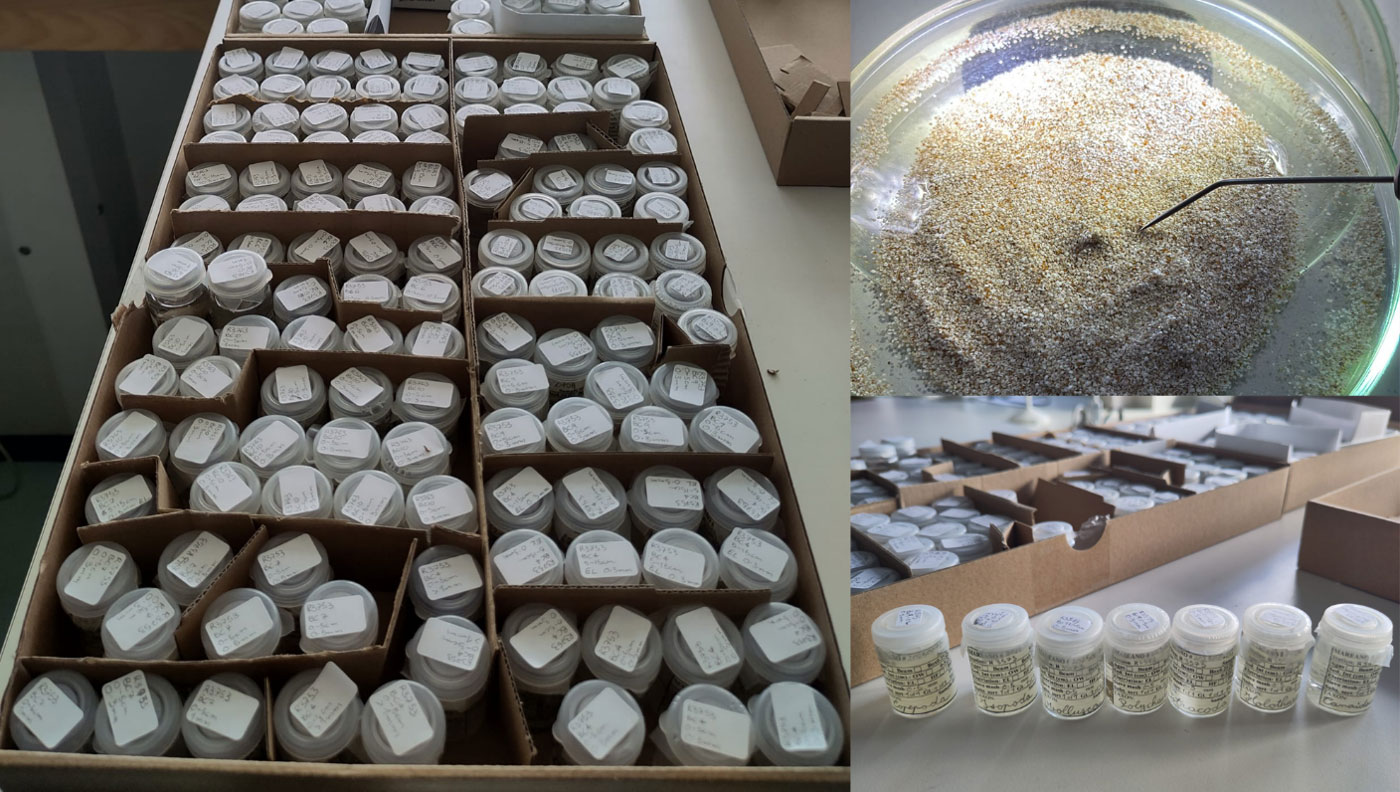
When filming across the “flat” muddy abyss or deep basins, subtle patterns begin to emerge: a patch of agglutinated foraminifera here, tiny mud mounds with burrows sculpted by the amphipod Neohela there, trails of fluffy detritus resting a little farther away— all varying across just a few centimeters to tens of meters. This small-scale variation creates a patchwork of life on the seafloor. The number of individuals, the number of different species (what we refer to as species richness), and the overall diversity can differ greatly from one patch of mud to another—what you find here might be considerably different just a few meters away.
Because deep-sea macrofauna occur in low densities and highly patchy distributions, sampling effort is crucial to accurately and precisely describe their abundance and diversity. In most boxcorer samples, many taxa appear as only one or two individuals—especially the rarer species. To capture a representative picture of the community (of both the dominant and the more sporadic inhabitants), several replicates are often needed. Scientists assess whether enough samples have been collected by creating species accumulation curves: a visualization that shows the number of different species as each new replicate is added. The number of recorded species increases until the curve begins to level off, indicating that additional sampling is unlikely to reveal new species. The more uneven and scattered the community, the more replicates are required to account for this fine-scale variability. For this reason, we are increasing our replication effort in some stations for the first deep-sea cruises to get a better sense of what are the minimum boxcorer casts that we will need to get an accurate depiction of the soft-bottom fauna at each location and regions.
In our previous studies on the shelf, we’ve typically used sieves with a 1-millimeter mesh to separate organisms from the sediment. However, because deep-sea animals tend to be smaller, as previously mentioned, we’ve had to introduce smaller mesh sizes for the deep-sea cruises. Otherwise, we would lose most of them back into the ocean!
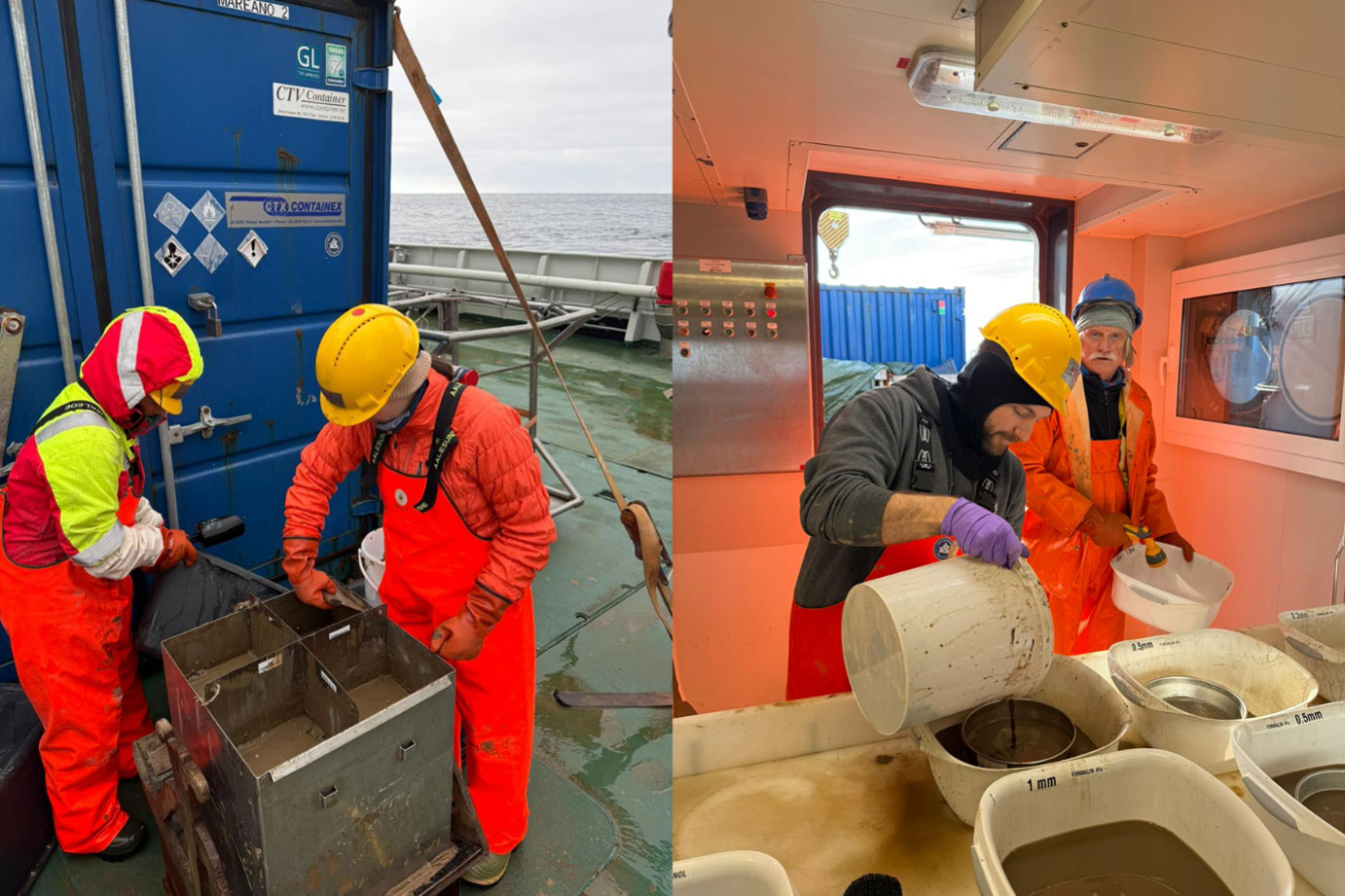
In other deep-sea research projects, like in the Hausgarten Observatory in the Fram Strait, scientists use sieves with a 0.5-millimeter mesh to capture deep-sea macrofauna. Elsewhere in the world, even finer meshes—0.3 or 0.25 millimeters—are usually employed, for example in studies conducted in the Clarion Clipperton Zone in the Pacific Ocean. To find the best approach for our work, we’ve introduced the use of a cascade of sieves with mesh sizes of 1 mm, 0.5 mm, and 0.3 mm. This will help determine which mesh size best represents deep-sea macrofaunal communities for future MAREANO mapping efforts in our region.
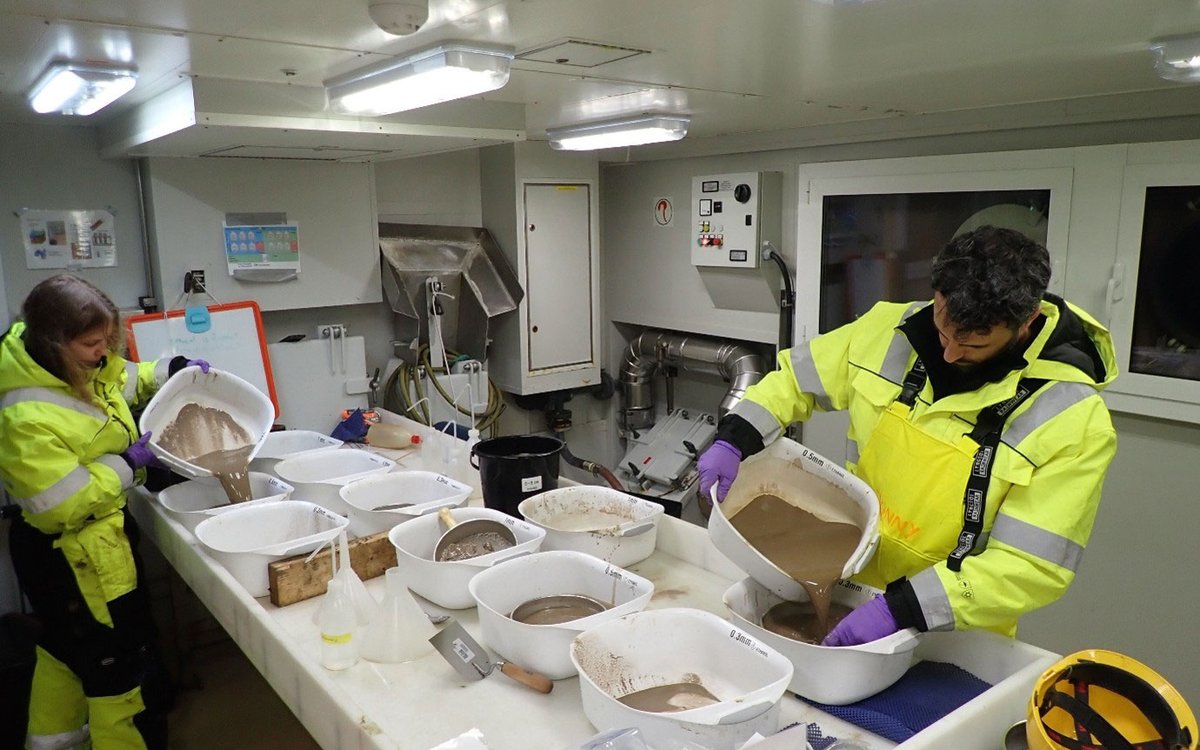
Biologists sieving the first 5 cm surface sediment layer for both the ethanol and the formaldehyde halves of the boxcore inside the lab of RV Kronprins Haakon. Samples are sieved in 1 mm, 0.5 mm and 0.3 mm meshes. Photo: MAREANO
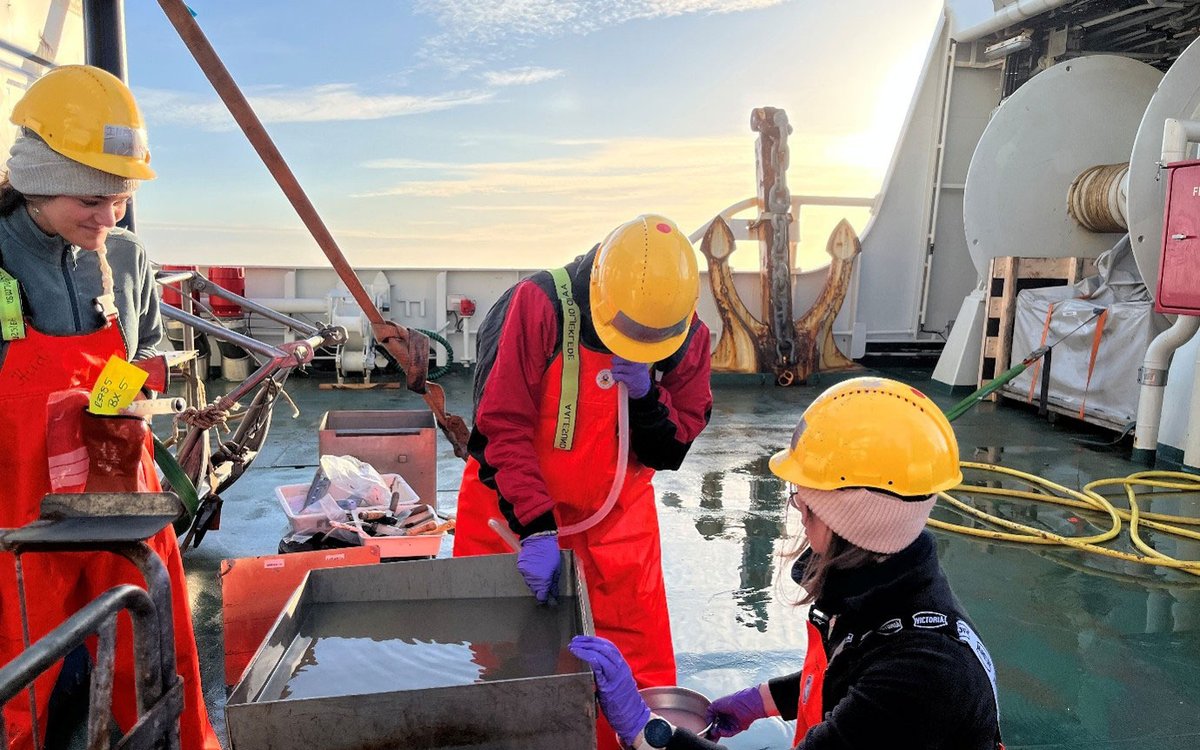
Removing the overlaying water from the boxcorer on a sunny afternoon.
Photo: Camille Saint-André, IMR
Marlene Pinheiro, Camille Saint-André, Èric Jorda Molina and cruise leader Riley Meyer are glad to be done with one boxcorer. Onto the next!
Photo: Solveig Osjord
For now, we’ll keep getting muddy—uncovering the secrets hidden in the deep soft-bottoms and providing the knowledge needed to map and make informed decisions about these vast, mysterious and important deep-sea environments.